How Digital Twins Improve Renewable Energy Efficiency | 11 min read
If you're working in the renewable energy sector, you're probably under constant pressure to boost efficiency, reduce costs and deliver reliable power from wind, solar, hydro or other sources. One of the most powerful tools you can use to achieve this is a digital twin—a virtual replica of your physical energy assets and systems that lets you simulate, monitor and optimise performance in real-time. In this article, you'll learn how digital twins improve renewable energy efficiency: what they can do, why they matter, and how you can start using them in your operations.
What is a Digital Twin?
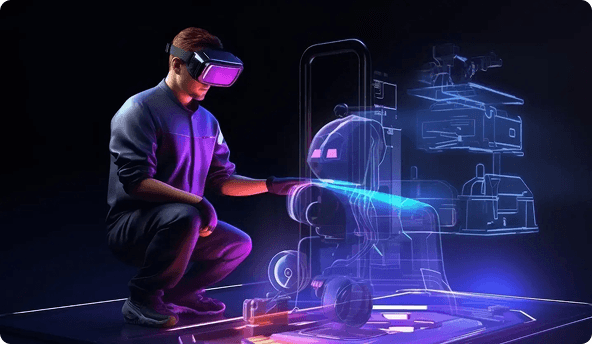
A digital twin is a real-time digital model of a physical asset—such as a wind turbine, solar farm or hydroelectric plant—that uses sensor data, historical records and simulation to reflect actual behaviour. It allows you to monitor performance, test scenarios, predict failures and adjust operations accordingly. In renewable energy systems, that means you can capture the dynamic behaviour of the system (sunlight, wind speed, temperature, storage levels, grid demand) and simulate how your equipment responds, so you can optimise for maximum output, minimum waste and better reliability.
Why Digital Twins Matter for Renewable Energy Efficiency
Digital twins provide unprecedented visibility and control over renewable energy systems. They transform raw operational data into actionable insights that drive efficiency improvements across your entire operation.
1. Real-Time Monitoring & Performance Optimisation
With a digital twin, you see how your asset is performing right now: how much energy it's producing, whether it's under-performing, how environmental conditions are affecting it. For example, one study found that digital twin use in wind and solar farms increased energy output by 10-20%. By spotting inefficiencies—like turbines not aligned with wind or solar panels shading improperly—you can correct them immediately.
2. Predictive Maintenance Reduces Downtime
In renewable energy, unplanned downtime or equipment under-performance can cost you big in lost generation. Digital twins help you predict when components are likely to fail—gearboxes, turbines, panel arrays or storage systems—so you schedule maintenance proactively. That leads to less unexpected downtime and more reliable energy production.
3. Simulating 'What-If' Scenarios for Better Design
Renewable assets often face variable conditions—wind direction changes, solar irradiance fluctuates, storage demand shifts. Digital twins allow you to simulate many 'what-if' scenarios before you make physical changes. You can test different layouts, component upgrades, storage integration or grid-connect strategies and pick the most efficient design. That reduces the cost of trial-and-error and improves overall system efficiency.
4. Integration with Grid and Storage Systems
Many renewables don't just generate energy—they must integrate with grid systems, storage units, demand-side response. Digital twins help you model how your renewable asset interacts with these systems, ensuring smoother integration, less waste and better use of storage or dispatchable resources. That means your renewable energy system works not just in isolation but in the real network context.
5. Data-Driven Decision Making & Efficiency Gains
By using digital twins, you turn raw data into actionable insight. You learn what factors affect performance—weather patterns, ageing of equipment, maintenance schedules, grid conditions—and you make decisions based on that. Research shows that companies using digital twin technology in energy systems see higher return on investment, faster decision making and measurable efficiency gains.
Challenges and How to Overcome Them
Digital twins offer large benefits, but you'll face challenges including: quality of sensor data, managing large volumes of data, model accuracy, integration with existing systems, and the upfront cost. But by starting small, using a pilot, focusing on reliable data, and iteratively improving, you can build a strong foundation and expand from there.
A Word from Blownfuse
At Blownfuse, we help you bring the power of digital technology into your renewable energy operations. From building virtual models of wind farms and solar arrays to monitoring and optimising them in real time, our goal is to make innovation simple, practical and effective. Understanding how digital twins improve renewable energy efficiency is just the first step. When implemented correctly, they help you produce more clean energy, reduce operational cost, and deliver greater reliability. Are you ready to make your renewable energy operations smarter, more efficient and future-ready? Let Blownfuse help you build smarter, more visual and fully connected digital systems. Contact us today to learn how our digital twin and renewable energy solutions can enhance your projects.
May 20, 2025
Subhajit Das
Managing Partner at Blownfuse SoftLab
Looking for AR/ VR solution for your business?
Harness our proven track record of 125+ VR projects for bespoke app development. Unlock boundless potential in marketing, storytelling, and learning with rapid user engagement.